
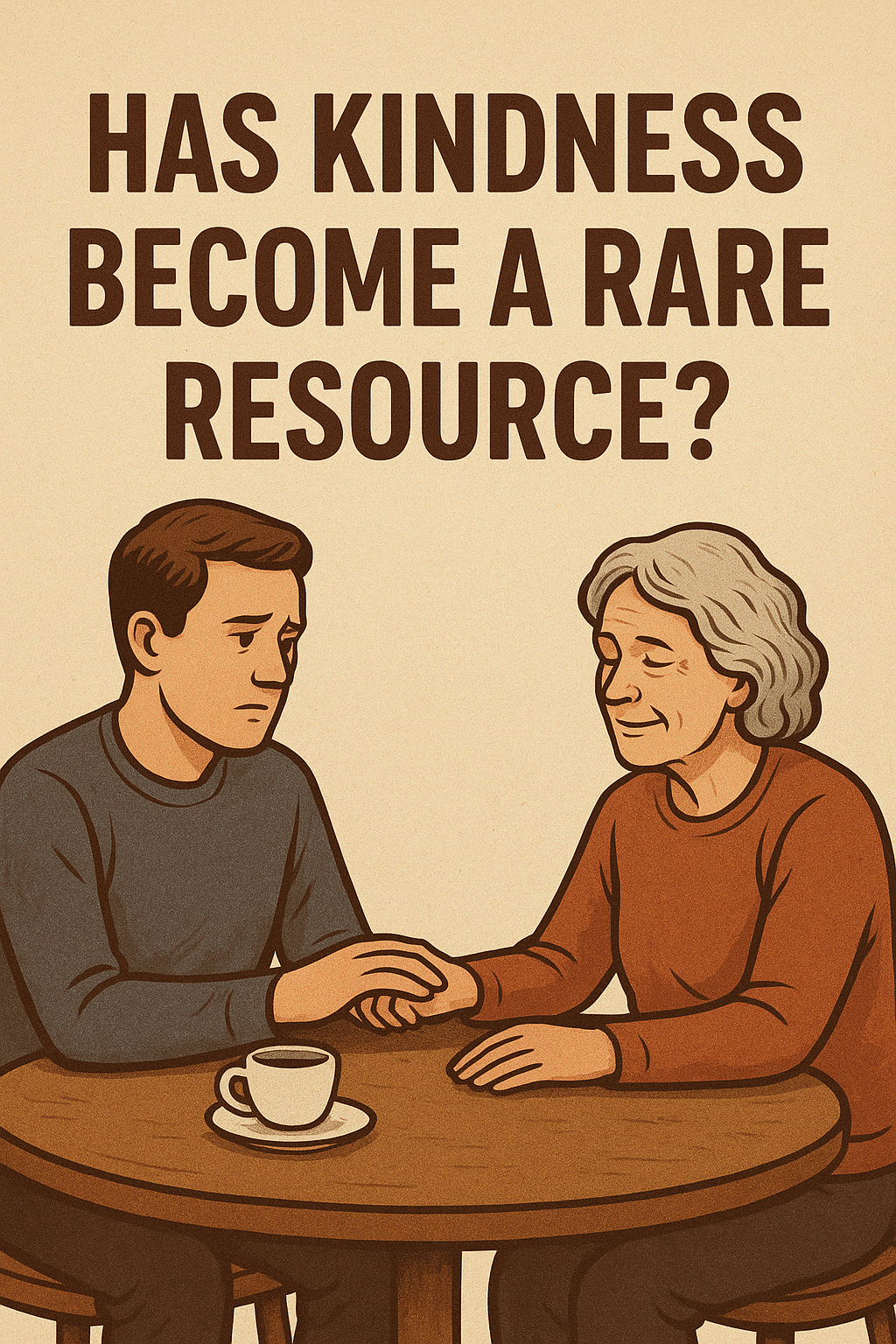


Kindness was once the invisible thread that held communities together. It was evident in simple gestures — neighbors sharing meals, strangers offering directions, families supporting one another through difficulties. Today, however, modern life’s pace, competition, and self-centered culture have thinned that thread. Many of us are too absorbed in personal struggles, ambitions, or virtual lives to notice those around us who might be silently calling for empathy.
Social media has redefined communication but not always in the kindest way. Behind screens, empathy is often replaced by judgment, comparison, and hostility. The constant exposure to highlight reels of others’ lives breeds envy rather than encouragement. Words that should heal or uplift now frequently wound. A thoughtless comment, a sarcastic remark, or a lack of response can inflict harm deeper than we realize.
In a world more connected than ever before, it’s ironic that genuine kindness has become one of the scarcest commodities. We live in an age where people can reach across continents with a single click, yet the warmth of human compassion often struggles to travel across the table. The digital age has amplified voices but also hardened hearts, making kindness feel more like a luxury than a norm.
Moreover, kindness is sometimes perceived as weakness in modern society. Assertiveness, independence, and efficiency are celebrated — all good traits — but they’ve often overshadowed gentleness and compassion. People hesitate to show kindness for fear of being taken advantage of or appearing naïve. The result is a culture where suspicion replaces trust, and indifference becomes easier than care.
Yet, kindness remains a powerful force — one that can transform relationships, workplaces, and even societies. A kind word can ease the burden of someone fighting silent battles. A small act of generosity can ripple across communities, inspiring others to do the same. Science even confirms what ancient wisdom always knew: kindness benefits not only the receiver but also the giver. It lowers stress, strengthens the immune system, and brings emotional peace.
Rekindling kindness doesn’t require grand gestures. It begins with awareness — noticing when someone needs a smile, a listening ear, or a bit of patience. It grows when we treat others with respect, regardless of status or background. It strengthens when we forgive, when we give without expecting, and when we choose to understand rather than judge.
Kindness should not be rare; it should be reflexive. The world doesn’t need more wealth or technology to become better — it needs more people who care. If each of us made kindness a daily practice rather than an occasional act, we could restore the humanity that modern life has eroded.
In the end, kindness is not a resource that runs out — it multiplies when shared. The challenge is not in finding it, but in choosing to use it.